


Maritime transport: in London, IMO is trying to chart the way to zero emissions
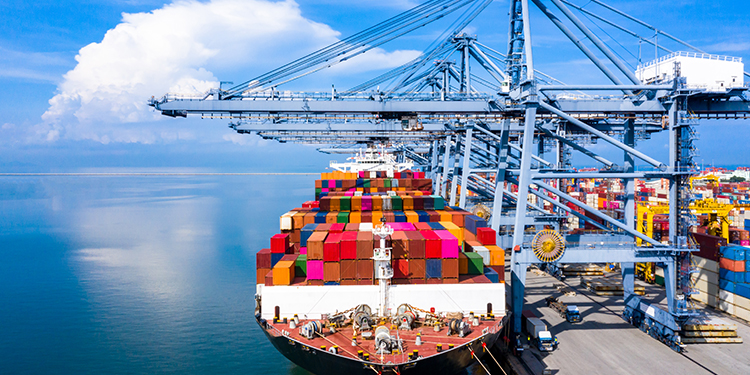
Negotiations continued at the headquarters of the International Maritime Organization (IMO) in London, where Member States (176 Member States) are trying to agree on the future global framework for decarbonisation of maritime transport. The issue is a major one: it is about defining the contours of an ambitious mechanism to drastically reduce greenhouse gas emissions from a sector that accounts for around 3% of global emissions.
The proposed mechanism is based on two main pillars. On the one hand, a gradual reduction in the carbon intensity of the fuels used by ships to encourage shipowners to adopt cleaner solutions. On the other hand, an economic component aimed at accelerating the energy transition of the sector. The latter, however, crystallizes tensions, with several States challenging the principle of a global levy on emissions or the creation of an international fund managed by IMO.
Discussions will be particularly tense. The US administration, under Donald Trump's presidency, openly opposes any form of global carbon pricing in shipping. Washington favours an incentive-based approach, believing that IMO relies too heavily on alternative fuels that are still insufficiently mature. This position has already led to blockages at previous sessions, with some countries such as Saudi Arabia, the United Arab Emirates or the United States going so far as to threaten economic sanctions States in favour of a binding framework.
Yet the rules already adopted are beginning to bear fruit. According to the latest data transmitted to IMO, the carbon intensity of international shipping has decreased by more than 38 per cent compared to 2008. Significant progress, but insufficient in terms of the climate emergency and the Paris Agreement targets.
The current session could serve to redefine the terms of the debate. Several delegations, such as Liberia, are seeking a multilaterally acceptable outcome, proposing a midway: keeping the course towards net carbon without imposing the most contested tools from the outset. No final agreement is expected in the very short term, but observers hope for a significant step forward in reviving international momentum.